Blog
Frequently Asked Questions – Kitchen Exhaust Cleaning in Saskatchewan
1. What is NFPA 96 and why does it matter for kitchens in Saskatchewan?
NFPA 96 is the national fire safety standard that outlines how commercial kitchen exhaust systems must be cleaned, maintained, and inspected. In Saskatchewan, many fire departments and insurers rely on NFPA 96 guidelines to determine whether a restaurant's exhaust system is compliant. Understanding this standard helps restaurant owners avoid fire hazards and prepare for inspections.
2. What are the biggest fire risks inside a commercial kitchen exhaust system?
Grease buildup inside hoods, ducts, and rooftop fans is the primary cause of exhaust-related fires. When cooking equipment produces grease-laden vapors, they accumulate inside the ventilation system. If not cleaned regularly, even a small flare-up or spark can ignite the grease inside the ductwork, leading to a fast-spreading fire.
3. How do I know if my kitchen exhaust system needs cleaning?
Warning signs include:
Strong grease smell coming from the hood
Visible grease dripping from filters or canopy edges
Loud or vibrating exhaust fans
Smoke lingering in the kitchen
Failed or upcoming fire inspection
If you're noticing these, it’s time to schedule a professional cleaning.
4. What types of cooking operations require more frequent exhaust cleaning?
High-grease kitchens — such as restaurants using deep fryers, woks, flat-tops, charbroilers, and grills — typically need more frequent cleaning. Food trucks, high-volume takeout locations, and 24-hour restaurants also require more frequent service due to constant cooking.
5. Can a dirty exhaust system affect insurance coverage?
Yes. Many insurance providers require proof of regular, professional kitchen exhaust cleaning. If a fire occurs and the system shows signs of poor maintenance or non-compliance, insurance claims may be delayed or denied. Maintaining documentation of each cleaning helps protect your business.
6. How does kitchen exhaust cleaning support better indoor air quality?
A properly cleaned exhaust system removes smoke, steam, and airborne grease efficiently. This leads to:
Improved air circulation
Less lingering smoke
Better comfort for kitchen staff
Reduced odors in the dining area
Good airflow also helps HVAC systems work more efficiently.
7. What should restaurants expect during a professional hood cleaning service?
A professional service typically includes:
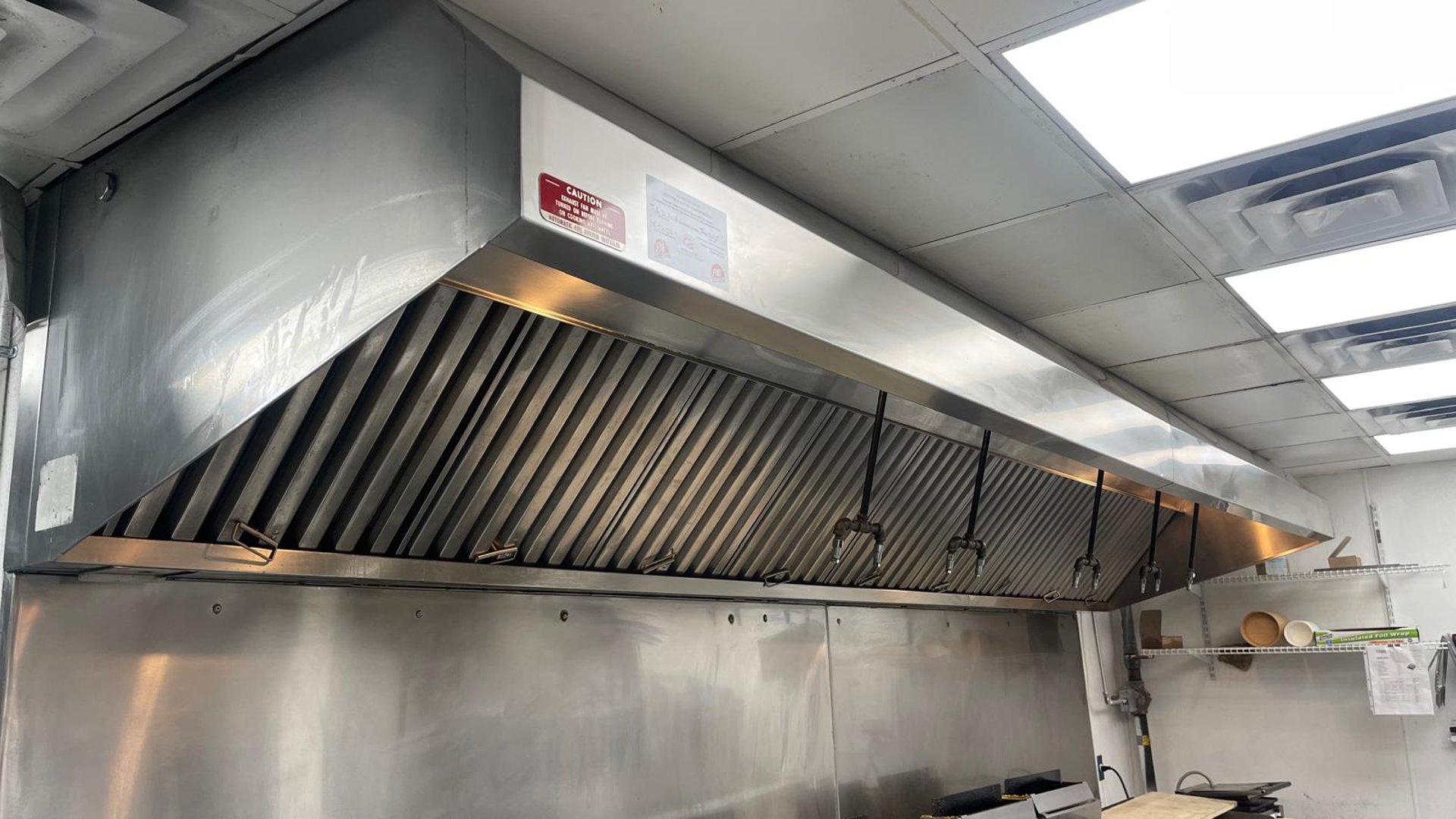
Inspection of the entire system from hood to rooftop
Removal and deep cleaning of filters
Degreasing of hoods, ducts, fans, and vents
Rooftop grease cleanup and containment check
Before & after photo documentation
Report outlining cleaning results and any safety recommendations
This process ensures full compliance and gives you documentation for inspectors and insurers.
8. Does exhaust system cleaning help with fire inspections in Saskatchewan?
Yes. Regular cleaning dramatically increases your chances of passing fire inspections. Inspectors often ask for:
Cleaning reports
Before/after photos
Dates of previous service
A clean, documented system shows that your restaurant follows safety standards and reduces the risk of violations.
9. What is the difference between hood cleaning and full exhaust system cleaning?
Hood cleaning focuses mainly on the visible hood canopy and filters.
Full exhaust system cleaning includes:
Hood canopy
Filters
Vertical and horizontal ducts
Exhaust fans
Rooftop containment
Only full-system cleaning meets NFPA 96 requirements and truly reduces fire risk.
10. How can Saskatchewan restaurants maintain exhaust system cleanliness between professional cleanings?
You can reduce grease buildup by:
Cleaning filters weekly or bi-weekly
Using proper grease containment on the roof
Avoiding wiping grease into duct openings
Keeping equipment burners well-maintained
Scheduling inspections before busy seasons
These habits help extend the time between deep cleans while keeping the system safer.

Subscribe to our newsletter
Get Fire Safety Tips & Inspection Reminders
Spotless Kitchen Exhaust Cleaning
Serving Regina, Moose Jaw, and surrounding areas.
Call for free estimates and Fire safety Inspection
Legal
Connect With Us
Stay Up to Date